Raw and finished geometry
Identify usable grip features before and after processing, including dimensional change, sharp edges and delicate surfaces.

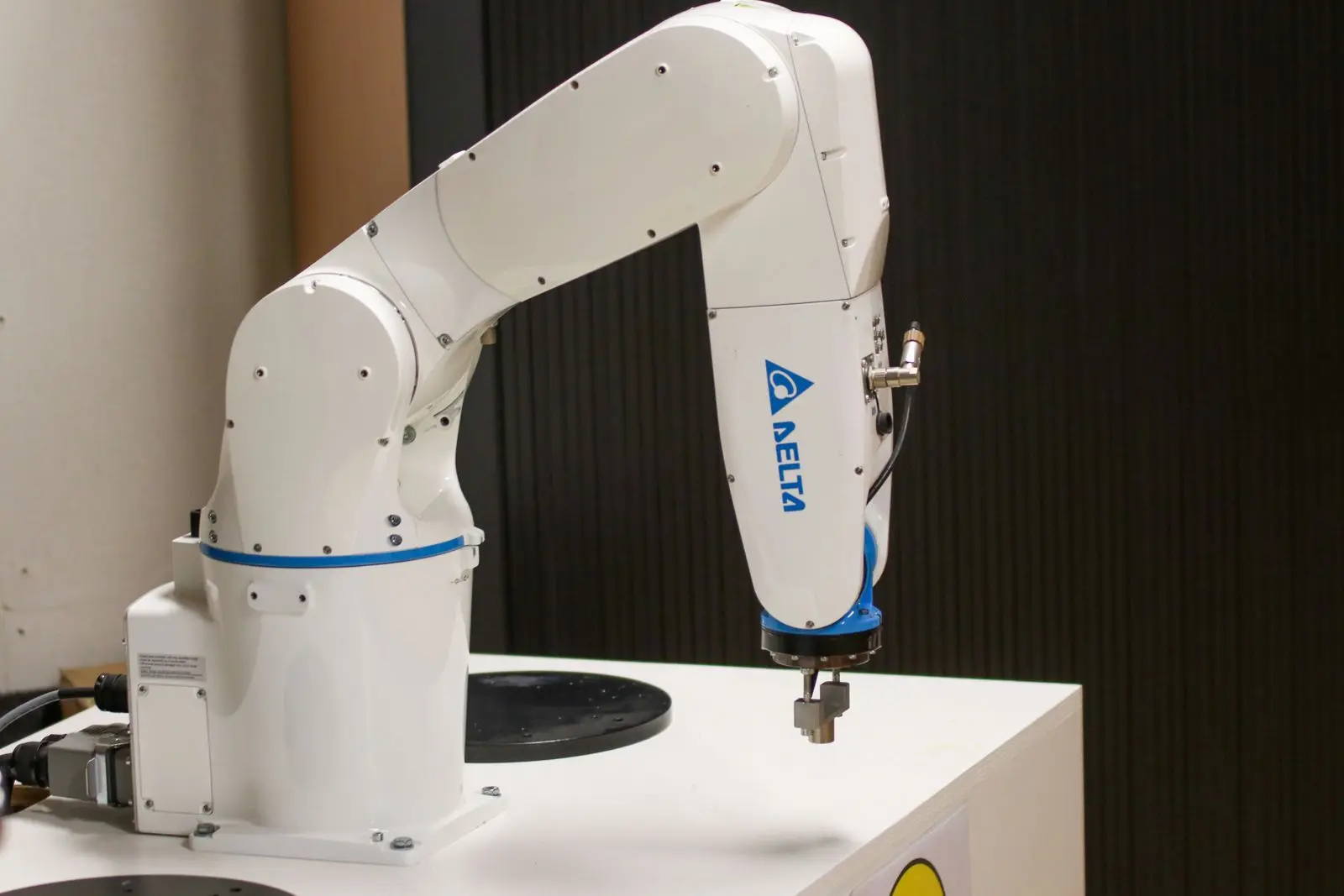
End-of-arm tooling and part flow
Grip, locate and confirm raw and finished components reliably using tooling, sensing and part supply matched to the real surfaces, variants, cycle and autonomy target.
Direct answer
The gripper is the robot's end-of-arm tool for picking, loading and unloading a component. Part presentation is the method used to place raw parts where the robot can find and grip them, using equipment such as trays, drawers, pallets, conveyors, feeders or vision-guided bins.
They must be designed as one system. A capable gripper cannot correct an unreliable supply position, while precise trays do not help if the tool cannot handle coolant, swarf, changing surfaces or the geometry of both raw and finished parts.
Part-presentation choices
| Presentation method | Useful when | Questions to resolve |
|---|---|---|
| Machined trays or pallets | Parts can be loaded into repeatable nests and controlled orientation is valuable. | Capacity, manual loading time, nest tolerance, part protection and changeover. |
| Drawer system | Operators need to replenish one area while the robot continues from another. | Drawer confirmation, safe access, usable rows and finished-part return positions. |
| Conveyor or indexing belt | Parts arrive continuously or must transfer between processes. | Spacing, orientation, tracking, accumulation, stopped parts and upstream control. |
| Bowl or step feeder | Smaller components can be separated and oriented at the required rate. | Part damage, noise, variant range, recirculation and buffer capacity. |
| Stack or magazine | Simple parts can be separated reliably from a controlled stack. | Double-pick detection, variable stack height, material friction and refill access. |
| 2D or 3D vision | Part position varies on a surface, conveyor or in a bin. | Visibility, lighting, overlap, surfaces, pick success, calibration and recovery. |
Gripper engineering checklist
Identify usable grip features before and after processing, including dimensional change, sharp edges and delicate surfaces.
Account for coolant, swarf, oil, heat, release agent, dust or moisture on both the component and tooling.
Use position, pressure, vacuum, proximity or other suitable sensing to distinguish a valid pick from likely failures.
Check fingers, services, wrist orientation and component clearance through the complete load and unload path.
Choose adjustable fingers, manual tooling change, automatic tool changing or separate tools from the real part matrix.
Define what happens after a missing part, failed grip, blocked nest, lost vacuum or uncertain component state.
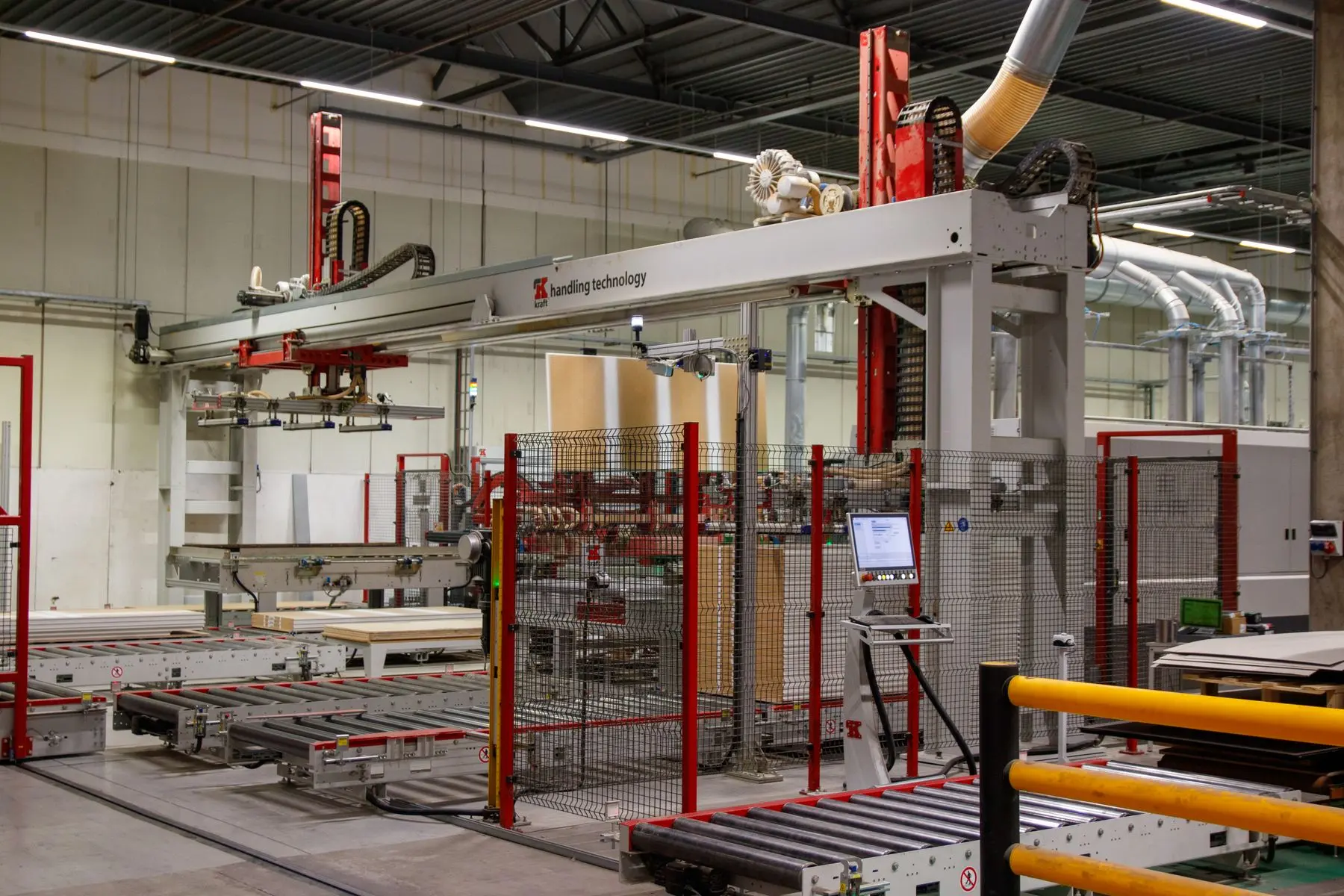
Cycle and autonomy
A dual gripper can remove the completed part and load the next blank during one machine visit. It can reduce exchange time, but it also adds mass, inertia, width and access constraints. The benefit must be checked through the actual robot path and every part variant.
Frequently asked questions
It often reduces machine-open time, but the second gripper adds payload, inertia and size. The gain must be checked against robot capacity, wrist orientation, machine access and the actual exchange sequence.
It can where the defined range supports adjustable or adaptive fingers and secure location. Wider part families may need interchangeable fingers, a tool changer or separate tools with recipe confirmation.
Vision can add flexibility where part position or orientation varies, but reliable imaging, calibration, pick access and a recovery route are essential. A fixed tray may remain the simpler option when the part and batch are stable.
Start with the target unattended time and sustainable good-part rate, then include raw-part quantity, finished-part positions, rejects, variants, replenishment time and the space available around the machine.
Start with the actual components
Provide drawings, weights, surface conditions, batch sizes, variants and photos of the current presentation. We will identify the next gripping and part-flow checks.