Press and forming loading
Present blanks, load tooling, confirm position, coordinate the press cycle and remove formed parts or scrap.

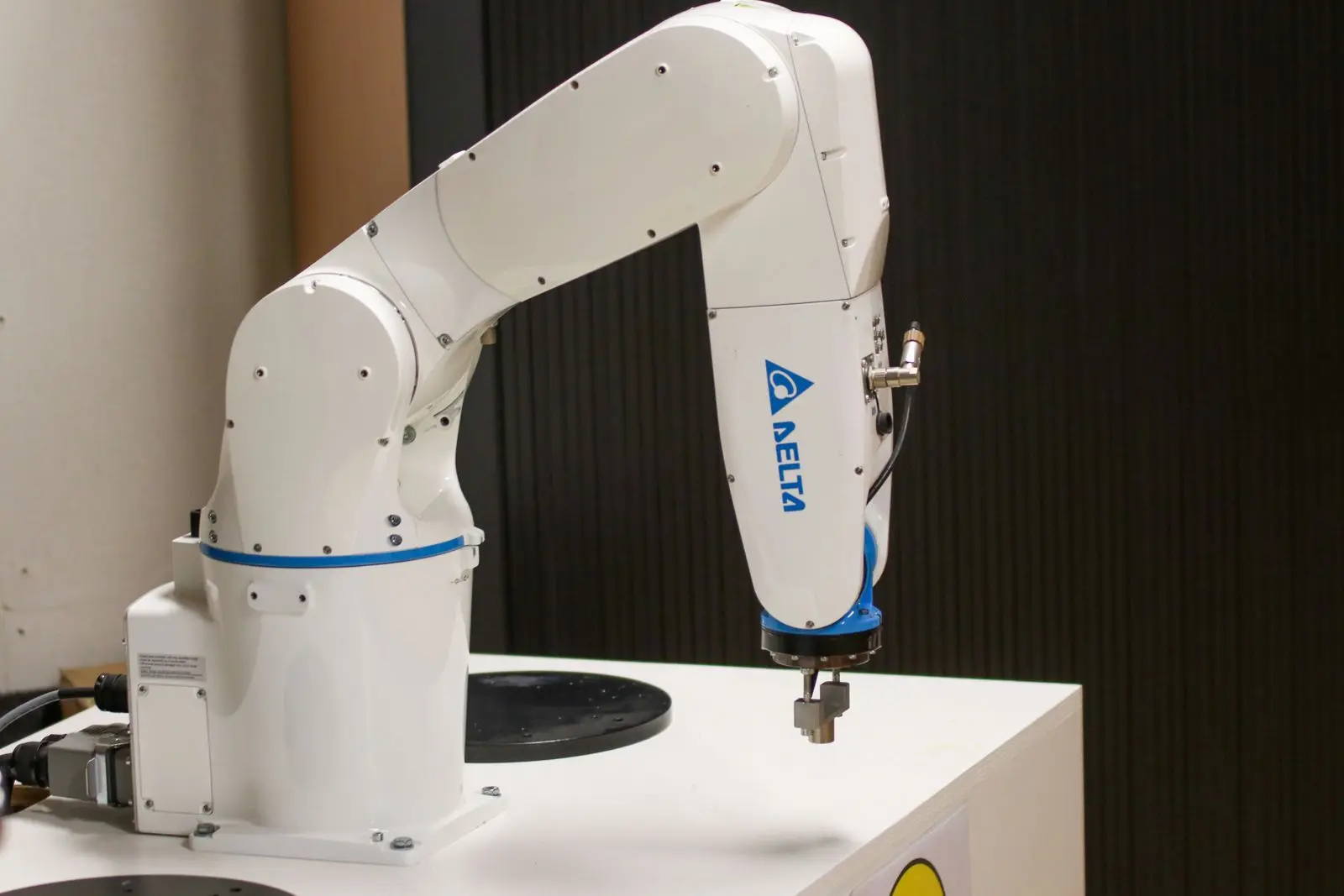
Beyond CNC machine tending
Automate blank or insert loading, part removal, orientation, inspection and transfer with the machine interface, tooling, controls and safety engineered as one production cell.
Application families
Each process creates a different combination of heat, sharp edges, deformation, access, tooling and cycle constraints.
Present blanks, load tooling, confirm position, coordinate the press cycle and remove formed parts or scrap.
Handle sheet or fabricated components through planned bends with reorientation and controlled support where suitable.
Place inserts, unload moulded parts, separate rejects, trim runners and transfer good components downstream.
Remove hot castings, manage cooling or quench stages and route parts to trimming or inspection.
Load cyclic test equipment, vision stations, gauges and marking machines with controlled result routing.
Connect forming or moulding with trimming, deburring, marking, washing, inspection and packing.
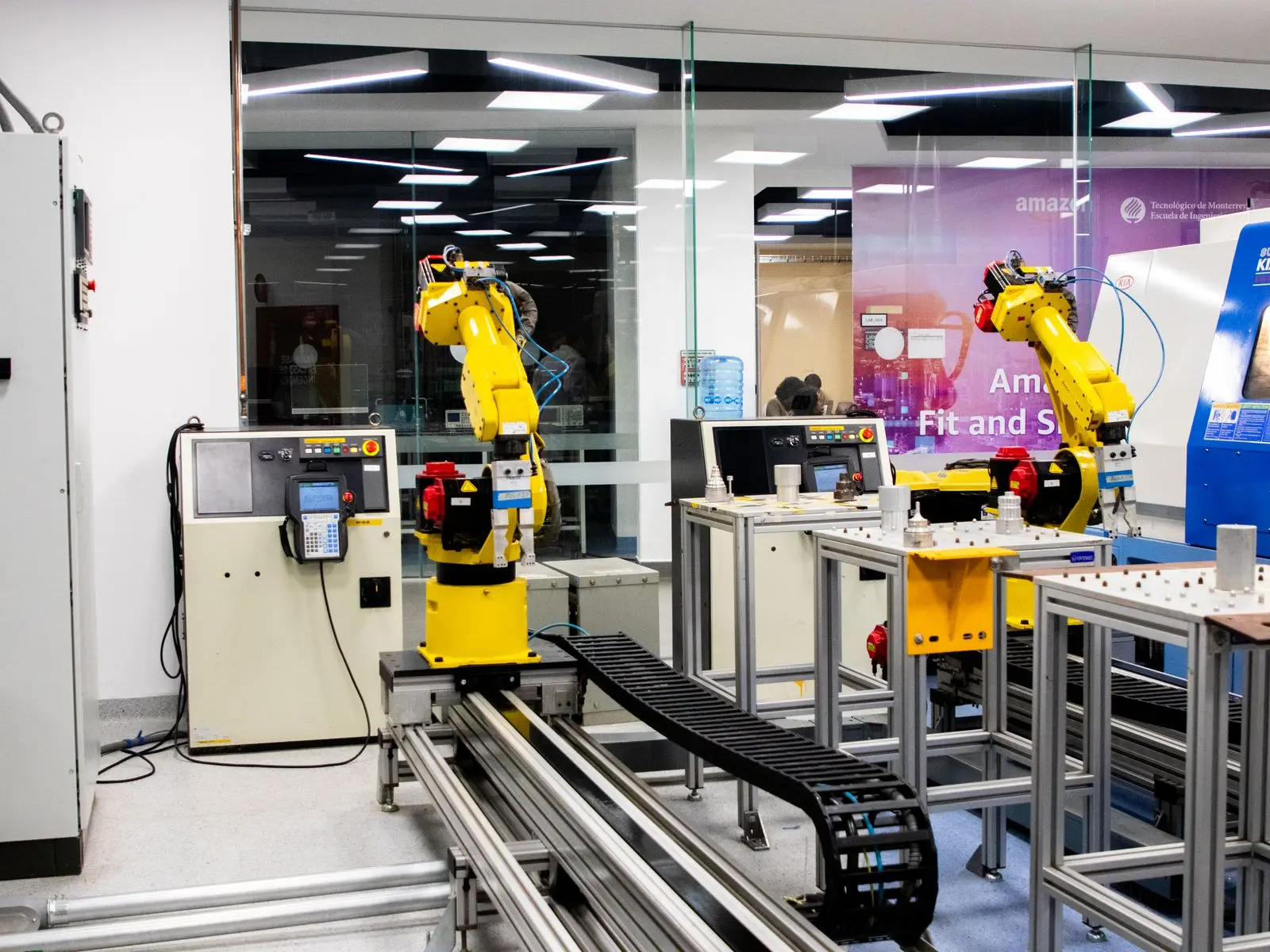
Process handshake
The cell controller coordinates when the robot may enter, when workholding or tooling can move, when the cycle can start and what happens after a fault or interrupted cycle.
Engineering inputs
| Input | Why it matters | What to provide |
|---|---|---|
| Raw and finished condition | Shape, temperature, sharp edges and deformation affect gripping and sensing. | Drawings, weights, samples and process photos. |
| Machine access | Opening, tooling and moving machine elements determine reach and safe approach. | Machine model, layout, manuals and video. |
| Cycle and sequence | Robot movement, dwell, process time and downstream steps set the cell balance. | Timed operator steps and target output. |
| Variants and changeover | Part range affects gripper fingers, recipes, presentation and validation. | Full part matrix and changeover frequency. |
| Quality checks | Defects, orientation and process results determine inspection and reject routing. | Acceptance criteria and existing checks. |
Application-specific guidance
The parent system principles are shared, but part condition, access, tooling and downstream flow differ materially.
Blank support, forming sequences, reorientation, press control handshakes and safeguarded access.
Open the press tending guide 02Insert placement, hot-part take-out, runner separation, inspection, rejects and downstream packing.
Open the moulding guideComplete cell scope
Feeders, trays, conveyors or vision deliver raw parts and inserts in a controllable way.
Mechanical, vacuum or magnetic gripping selected around surfaces, heat and process risk.
PLC and HMI coordinate machine signals, recipes, faults, quality and recovery.
Guarding, interlocks, scanners and safe modes protect every operator task.
Frequently asked questions
It can load blanks or inserts, unload formed or moulded parts, separate rejects, trim or mark components, perform inspection and transfer good parts to packing or the next process.
Yes where inserts can be presented, gripped, oriented and verified repeatably, and where the moulding machine provides suitable access and control handshakes.
The press, robot, tooling, material and operator tasks are assessed as one integrated machine. Guarding, interlocks, safe modes and reset logic are selected around the real hazards and required access.
Often yes when access, control signals, safe stopping and process repeatability are suitable. See the existing-machine retrofit checklist.
Start with the process
Send drawings, weights, machine details, cycle evidence, quality checks and a short video.