Can the robot reach safely?
Check the opening, workholding depth, machine protrusions, tool orientation and clearance for manual access.

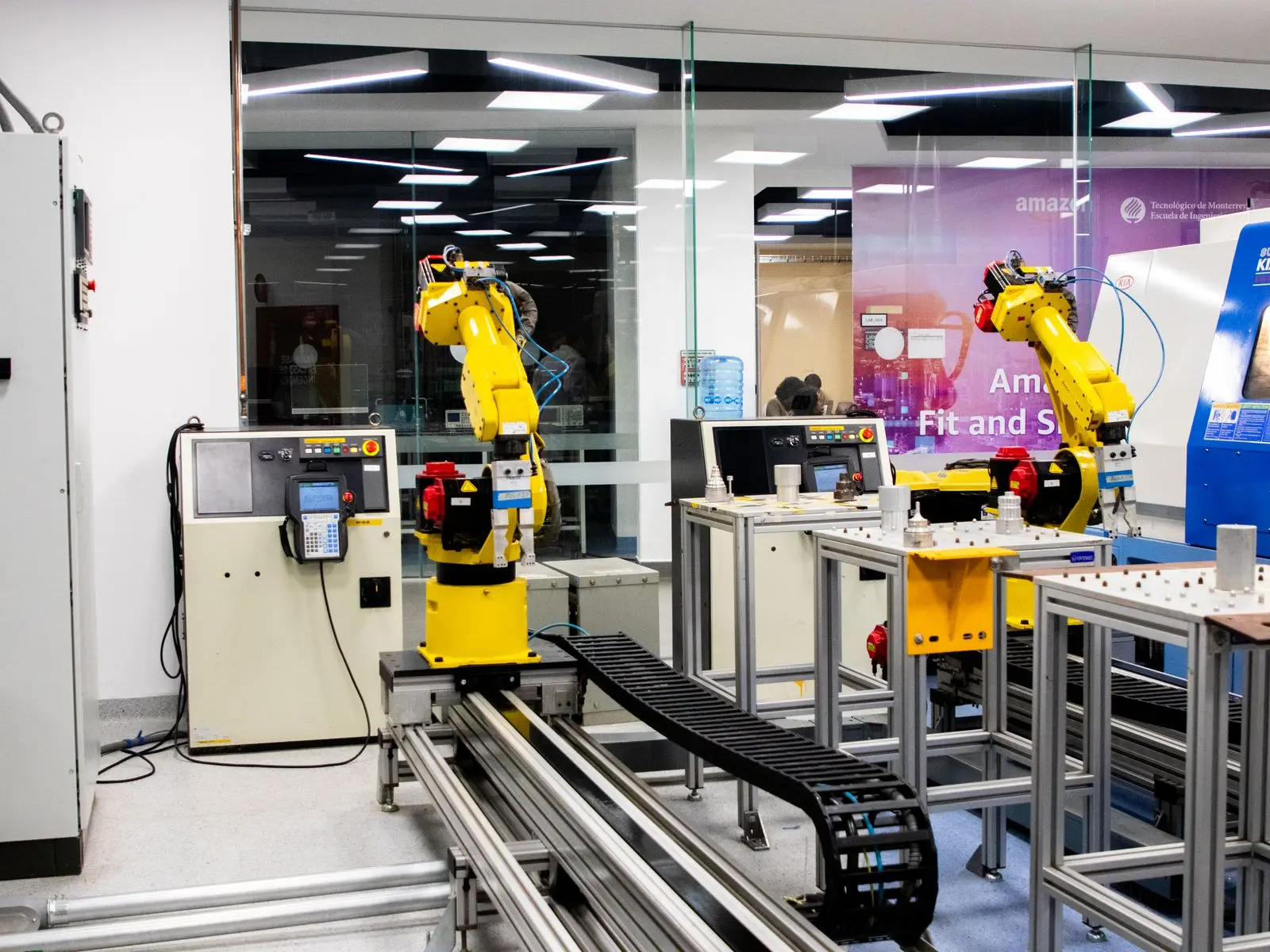
Existing-machine automation
Assess access, doors, workholding, machine signals, safe stopping, part flow and manual operation before engineering a robot or cobot cell around the installed equipment.
Direct answer
Often yes, including machines that were not originally supplied with a robot. Feasibility depends less on age than on whether the process can be made repeatable and the machine can exchange clear, reliable signals with the automation.
The assessment covers physical access, automatic doors, chuck or vice operation, safe states, cycle and fault signals, chip or scrap conditions, part presentation and how people will continue to set, clean and maintain the machine.
Retrofit feasibility checklist
Check the opening, workholding depth, machine protrusions, tool orientation and clearance for manual access.
Define automatic door, cover or guard movement with position confirmation and safe manual release.
Operate the chuck, vice or fixture and prove open, closed and part-present states where required.
Exchange machine ready, cycle start, cycle complete, fault and permission signals through a defined interface.
Confirm chips, coolant, part seating, tooling and inspection can remain dependable during unattended cycles.
Protect setup, cleaning, replenishment, maintenance and recovery with appropriate safe modes and access control.
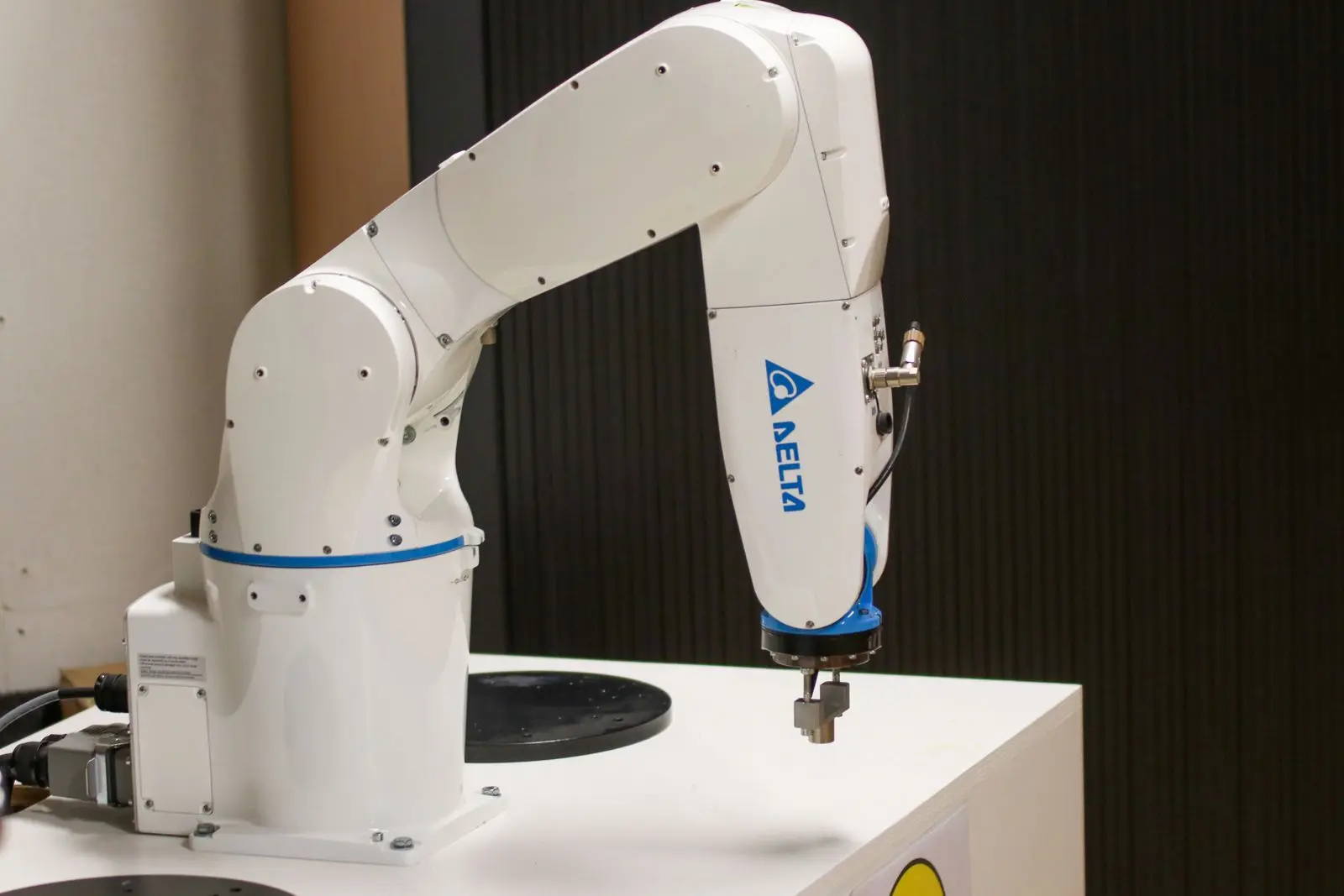
Typical modifications
Where direct control integration is limited, an external cell controller can coordinate the available machine interfaces—but only after the safe behaviour and failure states are understood.
Manual and automatic operation
Many retrofit machines still need manual tool setting, fixture change, first-off inspection and maintenance. The cell layout and control philosophy should support these tasks without awkward temporary workarounds.
Separate automatic production, manual setup and maintenance permissions with clear status indication.
Position robots, guarding and part storage so doors, panels and work areas remain serviceable.
Show operators the safe reset sequence after a mis-pick, machine fault or interrupted cycle.
Related retrofit planning
Frequently asked questions
Age alone does not decide feasibility. The machine needs suitable physical access, controllable doors and workholding, usable status and cycle signals, a safe stop strategy and a stable production process.
Typical work can include automatic doors, chuck or vice actuation, added sensors, interface relays or PLC logic, guarding, safe access controls and part presentation equipment.
It can be designed with a manual setup or production mode, provided access, control permissions, safe states and recovery are defined for both operating methods.
Machine make and model, control details, photos and video, part drawings and weights, cycle time, current operator sequence, workholding information, floor space and the required production target.
Potentially, if the process is repeatable and the machine can exchange dependable cycle, door, workholding and fault signals with the automation. The review must also cover reach, part presentation, manual setup, safe stopping, guarding or sensing, recovery and the combined-machine risk.
Usually the access cycle must be automated or otherwise engineered so the robot can load and unload reliably while position and safe-state conditions are confirmed.
Typical interfaces include machine ready, cycle start, cycle complete, fault, door position and workholding status, but the exact handshake depends on the machine and task.
Yes, when the cell layout and operating modes deliberately preserve safe access for setup, cleaning, maintenance, tooling and fault recovery.
Retrofit assessment
Send machine details, control information, part drawings, cycle evidence and a short video of the current operation.